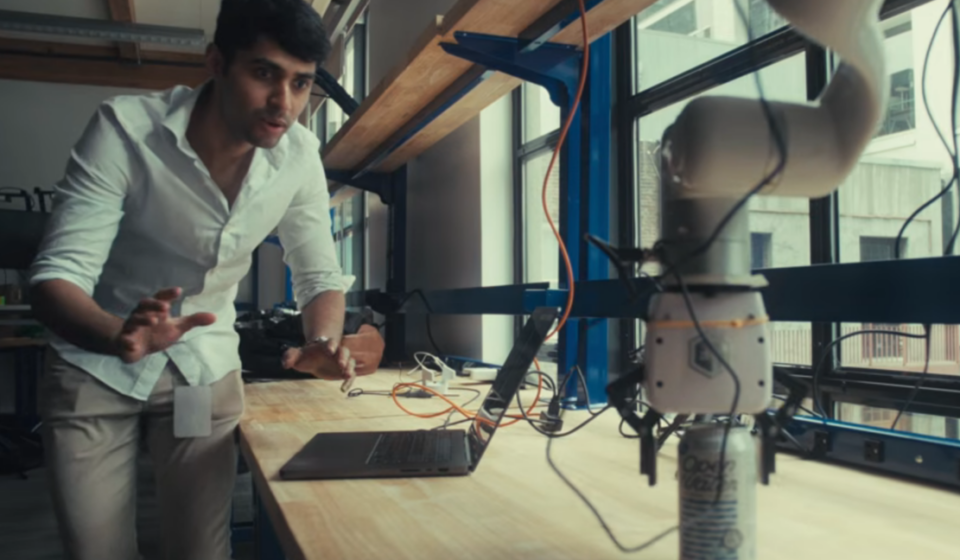

For all the recent enthusiasm around agentic AI systems, automated AI has largely been confined to digital realms—text, images, code, and other data-driven tasks inside a computer. Anthropic is now aiming to shift that paradigm with its new Model Hardware Standard (MHS), a set of standardized drivers designed to let AI agents easily interface with and control a wide range of physical devices.
What Is the Model Hardware Standard?
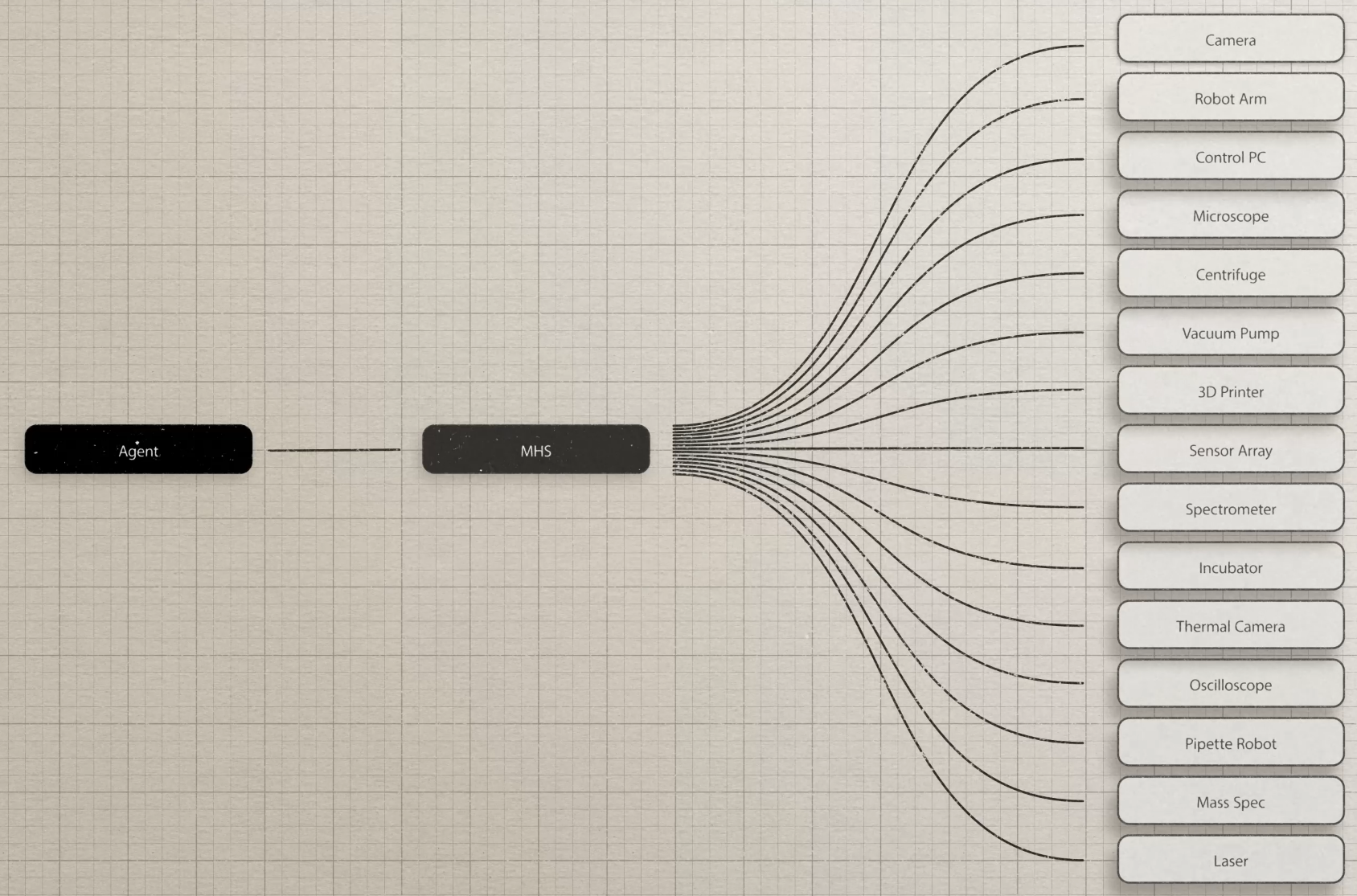
Currently introduced as a “research preview,” MHS is primarily positioned as a tool to help scientists streamline the often laborious process of creating custom software integrations needed to coordinate disparate components of an experiment. Anthropic says MHS provides a common interface and a common format for data sharing between devices, allowing them to communicate across a network “without needing a bespoke ‘translator’ program in between.”
According to Anthropic, this standardized system could reduce what typically takes weeks or months of meticulous experimental setup down to “hours or minutes.”
Inspired by Real-World Neuroscience Research
In a video accompanying the announcement, Anthropic Technical Staffer Alek Kemeny explains that the MHS effort was inspired by observing neuroscientist Arco Bast at the HHMI Janelia Research Campus in Ashburn, Virginia. Bast had developed an interface to coordinate rotating laser beams, microscopes, cameras, and numerous other components of an experiment on memory formation in the brain, all through a common interface.
Reflecting on that experience, Kemeny recalls thinking, “This idea could be used to have AI run any science experiment in the world.”
Implications for AI-Driven Science
By enabling AI agents to directly control laboratory equipment and other hardware, MHS could open new possibilities for automated experimentation. The standard aims to remove the need for custom, one-off integrations, making it easier for researchers to set up complex experiments quickly and potentially allowing AI to play a more active role in scientific discovery.
While the current focus is on scientific applications, the underlying concept of standardized hardware control could have broader implications for how AI interacts with the physical world, though Anthropic has not yet detailed specific use cases beyond the research context.