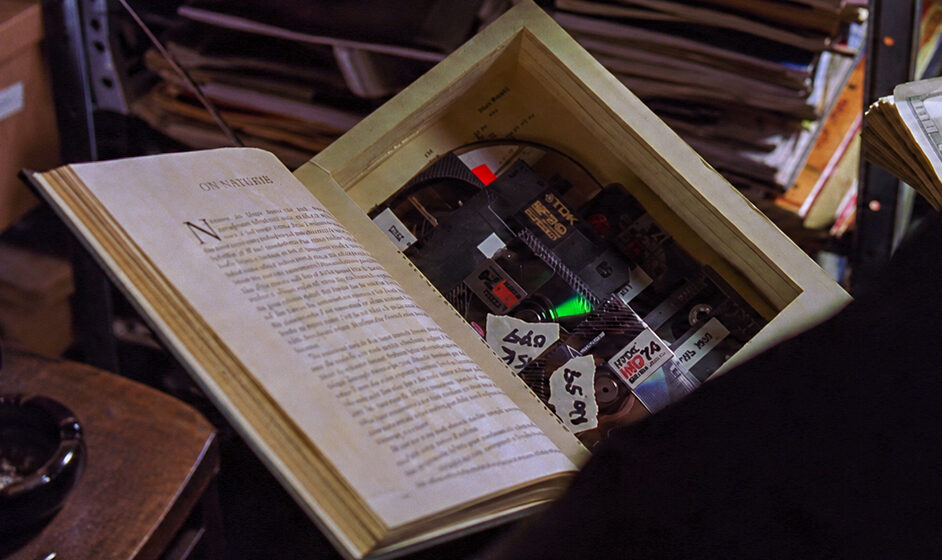

The digital landscape has a way of echoing its past. For those who recall the warez scene of the mid-1990s to the late 2000s—when cracked software and ripped movies, whether purchased from street vendors or assembled by casual pirates empowered by high-speed broadband, filled groaning DVD collections—the emerging world of ‘decensored’ open-source AI models may feel strangely familiar. Back then, before software rental became a common consumer model, a small but elite group of crackers and distributors held sway, setting the tone for a subculture that thrived on breaking the rules.
Echoes of the Warez Era in Modern AI
The warez scene was defined by a mix of technical prowess, underground distribution networks, and a certain ethos of defiance. It was a world where the latest software or film could be obtained, often within hours of its official release, through a complex web of FTP servers, IRC channels, and later, peer-to-peer networks. The participants were not just pirates; they were often skilled programmers and tech enthusiasts who saw their activities as a game of wits against the system.
Today, a similar dynamic is playing out in the realm of artificial intelligence. Open-source AI models, which are designed to be freely accessible and modifiable, are being ‘decensored’ by a new generation of tech-savvy individuals. These modified models remove the safety filters and content restrictions that developers typically build into their systems. The result is a range of AI tools that can generate content, answer questions, and perform tasks without the usual guardrails, for better or worse.
The Parallels: Underground Networks and Technical Skill
The parallels between the warez scene and the decensored AI movement are striking. Both rely on a community of technically skilled individuals who are motivated by a mix of curiosity, a desire for unrestricted access, and sometimes a rebellious streak. The distribution methods have evolved—from physical discs and FTP servers to cloud storage and AI-specific platforms—but the underlying structure of tight-knit groups sharing resources and knowledge remains.
In the warez era, the focus was on cracking copy protections and ripping content. Today, the focus is on ‘jailbreaking’ AI models—finding ways to bypass the ethical and safety guidelines that developers have embedded. This often involves fine-tuning the models on alternative datasets or using clever prompts to trick the AI into ignoring its constraints. The result is a product that behaves much like the original but without the ‘censorship’ that some users find restrictive.
Why the Crackdown Hasn't Happened Yet
Despite the obvious parallels, a coordinated crackdown on decensored AI models has yet to materialize. Several factors may explain this lag. First, the legal landscape for AI is still in its infancy. Unlike software, which was quickly covered by copyright laws and digital rights management (DRM) legislation, AI models present novel questions about authorship, liability, and the boundaries of modification. It is not yet clear which laws, if any, apply to the act of decensoring an open-source model.
Second, the open-source nature of these models complicates enforcement. Many decensored models are based on open-source projects that are legally distributed under permissive licenses. The act of removing safety filters may not, in itself, violate the license terms, especially if the model is used for research or personal purposes. This legal gray area makes it difficult for authorities to take action without new legislation.
Third, there is the question of jurisdiction. The warez scene was global, but it was eventually targeted by coordinated international efforts, such as Operation Buccaneer in the early 2000s. For AI, the situation is more complex. Models can be hosted on servers in countries with lax regulations, and the developers can remain anonymous, making enforcement a logistical nightmare.
Potential Triggers for a Future Crackdown
If history is any guide, a crackdown may be inevitable, but it will likely require a catalyst. In the warez era, the turning point came when the entertainment and software industries lobbied for stricter laws and funded aggressive enforcement campaigns. For AI, a similar push could come from governments concerned about the misuse of AI for disinformation, fraud, or other harmful activities. High-profile incidents involving decensored models—such as their use in creating deepfakes or generating illegal content—could accelerate the timeline.
Another potential trigger is the development of technical measures to detect and disable decensored models. Just as DRM became more sophisticated over time, AI developers may find ways to embed tamper-proof mechanisms that make it harder to remove safety filters without breaking the model entirely. This could reduce the appeal of decensoring, though it would likely spark an ongoing cat-and-mouse game.
Conclusion: A Question of When, Not If
The decensored AI model scene is a reminder that technology often outpaces regulation. The warez era eventually faced a reckoning, and it seems plausible that the same will happen for AI. However, the timeline remains uncertain. It could be hastened by a major scandal or slowed by legal and technical challenges. For now, the community continues to operate in a space that is neither fully legal nor fully illegal, much like the early days of software piracy. The question is not whether a crackdown will come, but when—and whether the lessons of the past will inform how it is carried out.