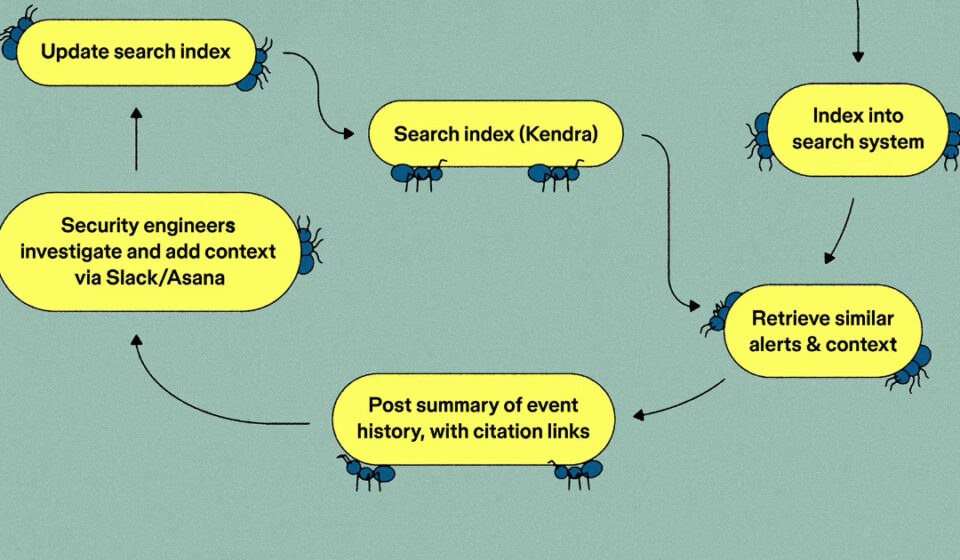

Figma, the collaborative design software company, has shared insights into how its engineering team built AI agents to support security operations. These agents are designed to assist security personnel in investigating alerts, reviewing past incidents, checking internal systems, and even preparing code fixes. By learning from previous investigations, the agents help reduce repetitive tasks and enable engineers to resolve complex alerts approximately 70% faster.
AI Agents in Security: A New Approach
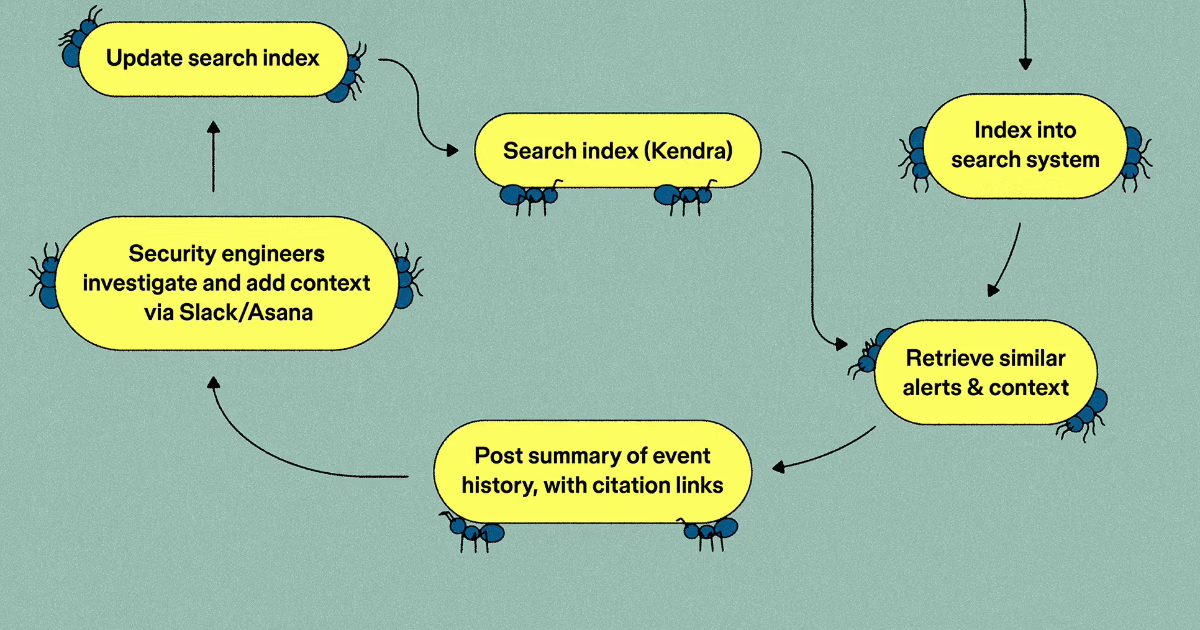
The core idea behind Figma’s initiative is to leverage AI agents that can learn from historical data and past investigations. This allows the security team to focus on more strategic tasks rather than getting bogged down by routine alert triage. The agents are not just passive tools; they actively participate in the investigation process, offering insights and suggestions based on patterns they have identified.
Key Capabilities of the AI Agents
Figma’s AI agents are equipped with several capabilities that streamline security workflows:
- Alert Investigation: The agents can automatically investigate security alerts, gathering relevant context and data to help analysts understand the nature of the threat.
- Historical Incident Review: They can search through past incidents to find similar cases, providing valuable reference points for current investigations.
- System Checks: The agents can query internal systems to verify configurations, user permissions, or other security-relevant details.
- Code Fix Preparation: In some cases, the agents can even draft code fixes, accelerating the remediation process.
Impact on Efficiency and Workload
One of the most significant benefits reported by Figma is the reduction in repetitive work. Security engineers often spend a considerable amount of time on routine investigations that follow similar patterns. By automating these initial steps, the AI agents free up engineers to tackle more complex and nuanced security challenges. The result is a reported 70% faster resolution time for complex alerts, a substantial improvement that can greatly enhance an organization’s security posture.
Learning from the Past to Secure the Future
The agents’ ability to learn from previous investigations is a key differentiator. This continuous learning process means that the agents become more effective over time, as they accumulate knowledge about common attack vectors, typical false positives, and effective response strategies. This not only speeds up investigations but also improves the accuracy of threat detection and response.
Conclusion
Figma’s approach to integrating AI agents into their security operations demonstrates a practical application of artificial intelligence in a real-world corporate environment. By automating routine tasks and providing intelligent assistance, these agents help security teams work more efficiently and effectively. While the technology is still evolving, the initial results are promising, showing a clear path toward more streamlined and responsive security operations.